
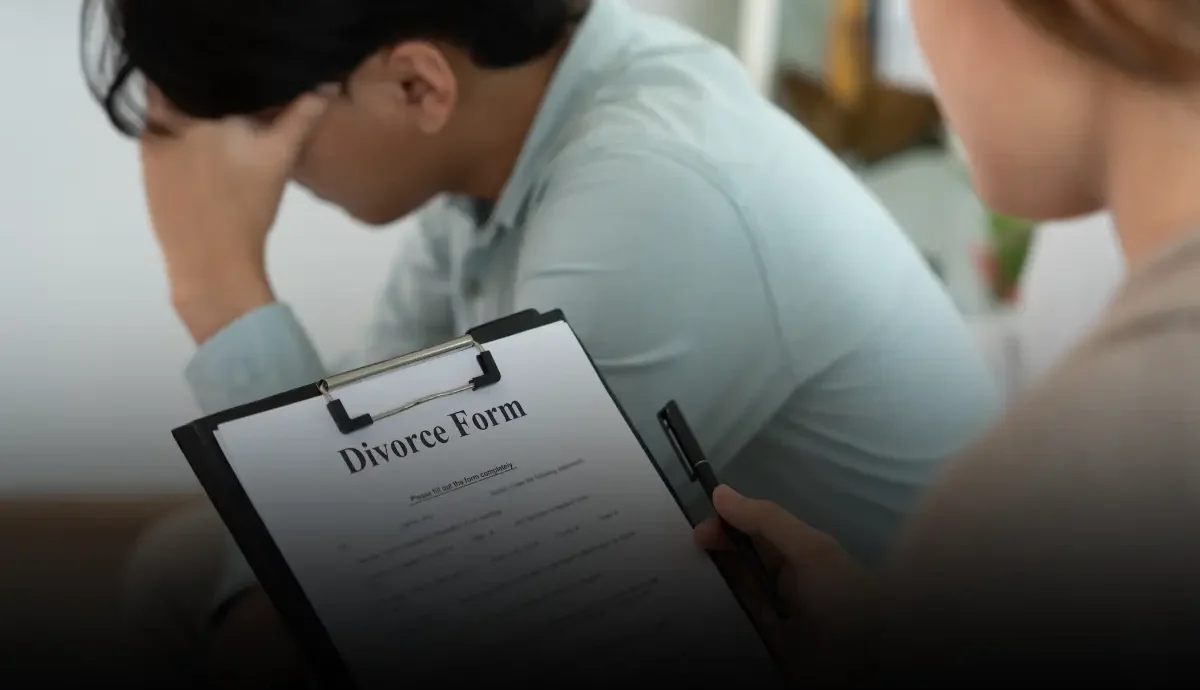
If your spouse refuses to agree to a divorce in Texas, the case can still move forward through the court process. You do not need your spouse’s signature to finalize a divorce. Instead, the court allows you to proceed with notice, waiting periods, and possibly a default judgment if no response is filed. Understanding these steps helps you see how the process continues even without agreement.
When your spouse refuses to agree to a divorce in Texas, you may question whether the process can continue. Texas law allows one spouse to file for divorce based on insupportability, meaning the marriage cannot continue, even if the other spouse does not agree.
The court system follows a structured process that focuses on notice, response timelines, and court review. Texas Divorce Attorneys explain how these steps apply in situations where one spouse does not participate, helping you understand how the case progresses and what the court considers before making decisions.
Divorce Process Continues Without Spouse Agreement Fully
Your divorce can proceed even if your spouse refuses to sign the paperwork. Texas law allows one spouse to move the case forward even without agreement.
Once you file, the process continues through these steps:
- Filing the petition for divorce
- Serving legal notice to your spouse
- Completing the mandatory waiting period
- Proceeding if no response is filed
In divorce without spouse signature Texas situations, the court still evaluates your case. If your spouse does not respond, the process moves into a court-managed stage where further steps are required.
Legal Notice Requirements Ensure Fair Participation Process
Your spouse must receive proper legal notice before the court can act. This ensures fairness and gives the other party a chance to respond before any decisions are made.
Under Texas Rules of Civil Procedure Rule 99, a spouse must be formally served with citation and given an opportunity to respond before the court can move forward with the case. This step establishes that the court has proper authority to move forward with the divorce.
Service can occur through:
- Personal delivery by a process server
- Certified mail when allowed
- Court-approved alternative service if needed
If your spouse avoids service, the court may allow substituted methods after reasonable efforts. This allows the case to continue while maintaining a fair process.
Default Divorce Outcomes When No Response Filed
If your spouse does not respond after being served, the court may proceed without them. This leads to a default divorce, where the judge reviews your case based on the information you provide.
At this stage, the court allows the case to move forward through a structured process. You must present clear details about your requests, and the judge reviews them carefully before issuing any orders. This step ensures the process remains fair while allowing the case to continue even when one spouse does not respond.
Court May Issue Orders Without Participation
The court can issue final orders without your spouse’s involvement when no response is filed. You must still provide clear and complete information for the court to review.
The court may determine:
- Property and debt division
- Child custody arrangements
- Financial support obligations
The judge reviews whether your requests follow Texas law and considers the best interests of children when applicable.
Disagreements Can Lead To Contested Divorce Process
If your spouse responds but disagrees with your terms, the divorce becomes contested. This means the court must resolve disputes between both parties.
Contested cases often involve multiple steps before trial. Courts may require mediation to encourage agreement. If issues remain unresolved, a judge reviews evidence and makes final decisions.
Disputes commonly involve:
- Division of marital property
- Parenting schedules and custody
- Financial responsibilities
Contested cases typically require more time and court involvement than default cases.
Court Timeline Extends With Non Cooperation Issues
A lack of cooperation can extend how long your divorce takes, especially in spouse refuses divorce Texas situations where additional procedural steps may be required.
According to Texas Family Code §6.702, a divorce generally cannot be finalized until at least 60 days after filing.
Delays often occur due to:
- Difficulty serving your spouse
- Missed deadlines or filings
- Ongoing disputes requiring hearings
Even when one party refuses to participate, the court follows required procedures. This means the timeline may extend, but the case does not stop.
Court Authority Finalizes Divorce Without Spouse Participation
The court has the authority to finalize your divorce regardless of your spouse’s participation. The court can complete the divorce based on the steps you have followed.
Once all required legal steps are complete, the court reviews the case and issues a final decision. This applies even if your spouse does not appear or respond.
The judge evaluates:
- Compliance with filing and notice requirements
- Evidence provided in the case
- Child-related considerations when applicable
The final divorce decree legally ends the marriage and sets binding terms for both parties.
Final Outcome When Spouse Refuses Divorce Texas
If your spouse refuses divorce Texas, the legal system still provides a clear and structured path forward. Filing the case, completing proper service, and following court procedures allow your divorce to move ahead even without cooperation. While refusal may affect timelines or lead to contested issues, it does not prevent the court from finalizing the case.
In addition, the process may involve extra steps such as alternative service, default hearings, or court review of evidence when only one party participates. Each stage is designed to balance fairness with efficiency, ensuring that one spouse cannot block the legal outcome. Texas Divorce Attorneys can help explain how these procedures apply to your situation and what to expect at each phase. You may call (612) 662-9393 or visit the Contact Us page to learn more.
Frequently Asked Questions
Can temporary court orders be issued during divorce?
Yes, the court can issue temporary orders while your divorce is ongoing. These orders may address custody, support, or use of property during the case. They help maintain stability while the case progresses and provide clear expectations for both parties. These orders typically remain in place until the court issues a final divorce decree.
Can a spouse challenge a default divorce after it is finalized?
Yes, a spouse can attempt to challenge a default divorce after it is finalized under limited circumstances. This usually involves showing that they were not properly served or did not receive notice of the case. Courts review these requests carefully, and strict deadlines apply. If granted, the court may reopen the case and allow the spouse to participate in resolving the issues.
Can a spouse refuse to sign but still file a counterpetition?
Yes, a spouse can refuse to sign the divorce papers and still participate in the case by filing a response or counterpetition. A counterpetition lets that spouse ask the court for different terms on property, custody, support, or other issues. Once both sides participate and disagree on terms, the divorce usually moves forward as a contested case.
Can a divorce be completed entirely without court appearances?
In some situations, a divorce may be completed with limited court appearances, especially in spouse refuses divorce Texas cases where the process proceeds by default. However, you may still need to attend a final hearing to present your case. The court must confirm that all legal steps were followed before issuing a final decree, even if the other spouse does not participate.
Does divorce without spouse signature Texas always become a default case?
No, divorce without spouse signature Texas does not always lead to a default case. If your spouse is properly served and files a response, the case continues as a contested divorce even without a signature on the original paperwork. Default usually applies only when the other spouse does not answer within the required time after service.